

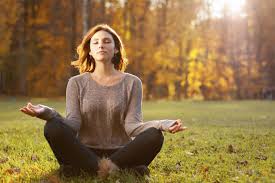
Stress is a natural part of daily life, but there are safe, non-medical ways to manage it. One of the most effective approaches is practicing mindfulness. Mindfulness involves paying deliberate attention to the present moment without judgment, helping the mind stay focused and calm.
A simple starting point is deep breathing. Taking slow, deliberate breaths can activate the body’s natural relaxation response, lowering tension and helping you feel more centered. Even a few minutes of mindful breathing each morning or during breaks can make a difference.
Guided meditation is another helpful tool. There are many free or low-cost apps and online resources that provide short sessions suitable for beginners. Consistent practice, even for five to ten minutes a day, can improve focus, emotional regulation, and overall calmness.
Other mindfulness techniques include body scans, visualization exercises, and mindful observation of daily activities such as walking or eating. The key is consistency—integrating small moments of mindfulness into everyday routines can gradually reduce feelings of stress and promote mental clarity.
By making mindfulness a part of daily life, individuals can develop tools to navigate stress safely and effectively without relying on medication.