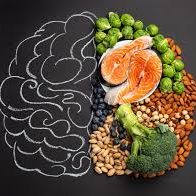

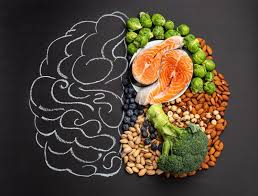
What you eat can influence how your body responds to stress. A balanced diet provides essential nutrients that support brain function, energy levels, and overall resilience to everyday stressors.
Including whole grains, fruits, vegetables, and lean proteins in your meals can stabilize blood sugar and prevent energy crashes, which are often associated with irritability or tension. Hydration is also essential, as even mild dehydration can contribute to fatigue and difficulty concentrating.
Certain foods are linked to natural mood support. For example, foods rich in omega-3 fatty acids, magnesium, and B vitamins may help the body cope with stress more effectively. While nutrition alone cannot eliminate stress, it creates a foundation for physical and mental well-being.
Practical habits include planning balanced meals, keeping healthy snacks on hand, and minimizing excessive caffeine or processed sugar, which can exacerbate tension. Consistency is more important than perfection—small, regular improvements in diet can contribute to a calmer, more balanced mind over time.
By focusing on nutrition alongside mindfulness, movement, and lifestyle habits, individuals can reduce stress safely and sustainably.